


Feeling Worse When It's Cold and Dark? You're Not Alone in the Central Valley
- 2 days ago
- 5 min read

Days getting shorter can make everything feel heavier — and if you're already juggling housing worries, mental health struggles, or trying to stay clean, that seasonal shift can knock you down hard. We see this every year in Modesto, Stockton, Merced, and across the San Joaquin Valley, and we want you to know there's a name for what you're feeling, and there's real help waiting for you.
Why the Seasons Mess With Your Mood
When fall and winter roll in, the days get shorter and darker, and less sunlight throws off your body's natural rhythm — the internal clock that tells you when to feel awake or sleepy. For a lot of people, this shows up as sadness, low energy, or trouble sleeping, and it has a real name: Seasonal Affective Disorder, or SAD. If you're already dealing with unstable housing, mental health struggles, or trying to stay off drugs or alcohol, these seasonal changes can pile right on top of what you're already carrying.
Here in the Central Valley, winter brings its own extra challenges — colder nights make it harder to find a warm, safe place if you're without stable housing, and limited transportation in rural areas can make it even tougher to get outside, see people, or reach appointments. That combination can leave you feeling more alone or stuck than usual. If this sounds like your fall and winter every year, you don't have to figure this out alone — we're a real option, not a maybe.
Signs the Season Is Hitting You Hard
Here are some common signs that seasonal change is making things worse for you:
Feeling more tired than usual, even after a full night's sleep
Losing interest in things you usually enjoy
Feeling sad or hopeless more often than not
Wanting to stay inside and avoid people
Craving carbs or eating a lot less than usual
Trouble concentrating or making decisions
Feeling more anxious or irritable than normal
If you notice these signs in yourself, you're not weak or broken — your body and mind are reacting to real changes happening around you. The good news is there are ways to handle it, and support is closer than you might think.
Simple Things That Actually Help
You don't need money or fancy tools to start feeling better. Try these small, doable steps:
Get outside when you can — even a few minutes of daylight helps reset your body's clock
Keep a simple routine for waking, eating, and sleeping around the same times
Move your body a little — walking or stretching can lift your mood
Stay connected — call someone you trust or talk to a real person who's been through it themselves
Eat regular meals, even simple ones
Limit alcohol and drugs since they tend to make mood swings worse
Create one cozy, safe spot with blankets or warm clothes where you can decompress
These steps help, but if you're facing housing instability, deep depression, or a substance use struggle on top of the seasonal slump, self-care alone won't cut it — and that's exactly what we're here for.
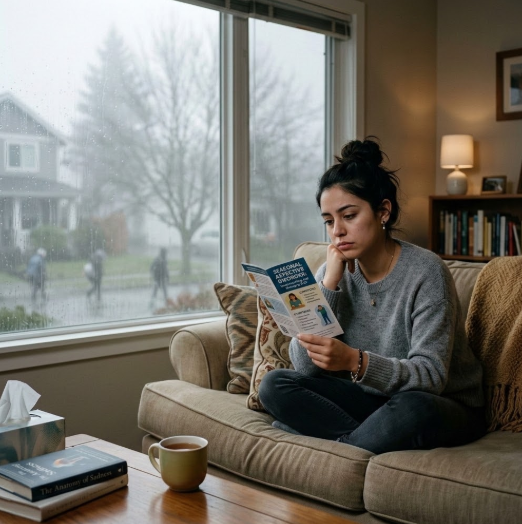
How We Can Support You Through the Hard Months
We understand how much heavier these seasons can feel when you're already facing big challenges, and we offer real, practical help to get you ready before winter hits. If you have Medi-Cal, you may qualify for free one-on-one support from someone who helps you navigate everything — this can include mental health support, help with drinking or drug use, and a real person who stays with you through the whole process, not just a phone number to call.
Depending on your situation, you may also qualify for extra help connecting you to housing, food, and healthcare — things like a warm place to stay, meals delivered based on your health needs, rides to appointments, and help keeping your housing once you have it. This is not a cash payment; it's covered support your Medi-Cal plan may already be obligated to provide, and most people never find out it exists. You don't have to wait until things get really bad — getting support early is what keeps a hard season from turning into a crisis, and we can help you figure out what you qualify for.
Getting Ready Before Winter Hits
Preparing now, in July, means you're not scrambling in December. Here's how to get ahead of it:
Reach out now instead of waiting until you're overwhelmed — start with our free Total Resource Check-In
Ask about your Medi-Cal benefits since you might qualify for mental health or substance use support you don't know about
Know where warming centers and safe indoor spaces are before it gets cold
Build a list of people you trust to call when you're feeling low
Practice small daily self-care — deep breathing, music, or a few minutes outside
If you're worried about affording basic needs this winter, our money, housing, clothes, and food support session can help you sort out what's covered and what steps to take next, without judgment about how you got here.
Myth vs. Fact on Seasonal Depression
Myth | Fact |
It's just winter sadness, not a real problem | SAD is a recognized pattern of depression tied to seasonal light changes, and it's treatable |
You have to tough it out on your own | Free, one-on-one support is available through Medi-Cal if you qualify |
Asking for help means something is seriously wrong with you | Reaching out early is a strength, not a red flag — it's how you avoid a full crisis |
Medi-Cal only covers doctor visits | Medi-Cal can also cover housing help, meals, transportation, and care coordination for qualifying members |
When to Get More Help Right Away
If you feel like you can't handle things on your own anymore, that's your sign to reach for more support immediately. Watch for:
Thinking about hurting yourself or someone else
Feeling hopeless all the time, with no letup
Not being able to eat or sleep at all (or too much)
Using drugs or alcohol more just to get through the day
Feeling confused or losing touch with what's real
If any of this is happening to you right now, please reach out to us immediately — our team can guide you to the right kind of help, and you don't need to have the right words or know any program names to start. Just tell us what's going on.
Frequently Asked Questions
Is Seasonal Affective Disorder a real medical condition?
Yes, it's a recognized pattern of depression connected to seasonal changes in daylight, and it responds well to routine, light exposure, movement, and professional support.
Can Medi-Cal really pay for things like housing help and meals, not just doctor visits?
Yes. Depending on your needs, Medi-Cal can cover care coordination, housing navigation, transportation, and medically tailored meals for qualifying members, and we can help you find out if you qualify.
What if I don't know which Medi-Cal programs I might qualify for?
You don't need to know any program names at all — fill out our simple Total Resource Check-In and we'll match you to what's available.
I'm in Modesto and don't have reliable transportation. Can I still get help?
Yes, transportation support is one of the things covered for qualifying Medi-Cal members, and we can help you access rides to appointments as part of your care.
What if things get really bad before winter even starts?
Don't wait for it to get worse — reach out now through our resources page so support is already in place before the hardest months hit.


Comments