


Finding LGBTQ+ Friendly Doctors in the Central Valley
- 10 hours ago
- 4 min read
Why This Is So Hard to Deal With
Discrimination and misunderstanding from providers isn't rare, and it changes how people show up for care. When a provider doesn't understand your identity, uses the wrong name or pronouns, or seems uncomfortable, it's normal to want to skip the next appointment entirely — even when something's really wrong. That delay can turn a small health issue into a bigger one, which is exactly why we built our services around meeting you where you are, not where the system assumes you should be.
Respectful care simply means a provider listens without judgment, uses your correct name and pronouns, and understands the specific health needs tied to who you are. That's the baseline — and you're allowed to expect it every single time.
If this is bringing up a lot right now, you don't have to figure this out alone. We're a phone call or form away.
How to Spot a Provider Who Will Actually Respect You
You can often tell a lot about a provider before you ever sit in the waiting room. Here's what to look for:
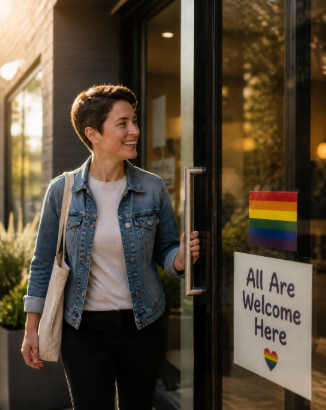
Rainbow flags, inclusive posters, or written nondiscrimination policies displayed at the clinic
A website or intake form that explicitly welcomes LGBTQ+ patients
Staff who mention training on LGBTQ+ health topics when you ask
Recommendations from people in your community who've actually been seen there
A provider list built specifically around LGBTQ+ cultural competency
Instead of guessing and hoping, you can skip straight to a personalized resource guide — we'll help match you with providers who are already known to be welcoming, based on real feedback from people like you.
Questions Worth Asking Before Your First Visit
A few direct questions can save you from a bad appointment later. Consider asking:
"Have you worked with LGBTQ+ patients before, and how did that go?"
"How do you handle confidentiality around my sexual orientation or gender identity?"
"What's your approach when we talk about gender identity or sexual health?"
"Are you comfortable managing hormone therapy or PrEP, or will I need a referral?"
"How does your office actually support transgender or non-binary patients day-to-day?"
Asking these upfront isn't awkward — it's how you protect your own peace of mind. If you'd rather not go in cold, we can help you prepare these questions and even coach you through what a good answer sounds like versus a red flag.
What Real Support Looks Like
You may qualify for free, one-on-one help from a real person who has been through it themselves — someone who already knows which providers in the Central Valley treat LGBTQ+ patients with actual respect. Here's what that support can actually do:
What you get | What it means for you |
Provider matching | Connected to clinics already known to be LGBTQ+-friendly, not a guess |
Explaining what "respectful" looks like | You'll know what you're entitled to before you walk in |
Coaching on questions | Help figuring out exactly what to ask and how to read the answers data.txt |
Medi-Cal / Medicare navigation | Someone stays with you through coverage questions so nothing falls through the cracks |
This is completely free if you have Medi-Cal or Medicare. If you're not sure which coverage you have or whether you qualify, start with our resource check-in and we'll sort it out with you.

Speaking Up for Yourself, Even With a Good Provider
Even the most affirming provider is still human, and small missteps happen — here's how to handle your appointment with confidence:
Bring a trusted friend or advocate if appointments make you anxious
State your name and pronouns clearly right at the start
Gently correct a provider if they get your name or pronouns wrong — it's okay to do this more than once
Share your full health history, including anything connected to your identity, without editing yourself down
Ask for clarification anytime something isn't clear — you're not being difficult
You have the right to affirming care, full stop. And if advocating for yourself in the moment feels like too much, we can go with you or help you rehearse beforehand — you don't have to carry this by yourself.
If Something Goes Wrong
Discrimination in a medical setting can be scary and disorienting, but you do have options:
Report what happened to the clinic or hospital administration directly
File a complaint with your state's health department or licensing board
Ask us to help you find a different provider who will actually treat you right
Talk it through with someone who understands, so you're not processing it alone
If this has happened to you, please reach out. We'll help you find someone new and figure out what, if anything, you want to do about what happened — at no cost to you.
Getting Support Right Now
If any part of this feels overwhelming, that's completely understandable — you don't need to have it all figured out before you reach out. Free local help may be available, and connecting with us costs nothing if you're on Medi-Cal or Medicare. Taking one small step today — filling out a form, sending a message, asking one question — is enough to start.
Frequently Asked Questions
Is this free?
Yes, if you have Medi-Cal or Medicare, our support finding affirming providers is completely free.
What if I don't know if I have Medi-Cal or Medicare?
That's okay — reach out through our resource check-in and we'll help you figure out your coverage as part of the process.
What if I've already had a bad experience and I'm scared to try again?
That fear makes total sense, and it doesn't mean all care is unsafe — we specifically match people with providers known to treat LGBTQ+ patients well, so you're not walking in blind.
Do I have to disclose my identity to get help?
No. You share only what you're comfortable sharing, at your own pace.
What if I live outside Modesto?
We serve the whole Central Valley, including Stockton, Fresno, and Merced, and we understand the transportation and provider-shortage challenges that come with rural areas here.


Comments