


Tired of the ER Being Your Only Doorway to Help? There's Another Way
- 1 day ago
- 5 min read
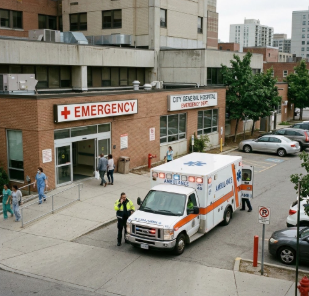
If you keep ending up in the ER, in police custody during a mental health crisis, or on a 5150 hold, you're not alone — and it's not because you're failing. It's often a sign that the help you've gotten so far hasn't matched what you actually need. We offer free, ongoing support that goes beyond the moment of crisis, built specifically for people in the Central Valley who are ready for something steadier.
Why Crisis Keeps Repeating
When mental health struggles, unstable housing, or lack of consistent support pile up, crisis becomes the only moment anyone notices — and that turns into a pattern. Emergency visits get more frequent, temporary fixes replace real care, and feelings of isolation grow heavier each time. This cycle can leave you feeling blamed or judged, but that's not the truth of what's happening — it means the system around you hasn't offered the right kind of help yet.
If this sounds like your life in Modesto, Stockton, Merced, or anywhere in the San Joaquin Valley, you don't have to keep waiting for the next crisis to get support. You can connect with our team through a quick, judgment-free check-in and find out what's actually available to you right now.
A Single ER Visit or 5150 Hold Isn't a Plan
A hospital stay or crisis hold can calm things down for a moment, but it almost never gets at what's underneath — the housing gap, the unmanaged mental health symptoms, the missing daily support.
Without someone staying involved afterward, the same problems tend to resurface within weeks. That's why a one-time visit falls short:
No one checks in after you're discharged to see how you're actually doing
There's no connection built between you and ongoing community resources
Nobody helps you figure out what's triggering the crisis in the first place
People in this pattern need more than a hospital bed for a night — they need someone who sticks around, learns their story, and works with them over time. That's exactly what our crisis-stabilizing support is built to do.
What Ongoing Support Actually Looks Like
Instead of waiting for the next crisis, we work alongside you to build a plan focused on real stability — not just getting you out the ER door. Depending on what fits your situation, this can include:
A dedicated person who checks in with you regularly, not just when things fall apart
Connection to ongoing mental health support that actually continues past one appointment
Help finding safer, more stable housing if that's part of what's driving the crisis
Someone walking you through your Medi-Cal benefits so you're not guessing what's covered
If housing instability is part of your story, our team can help through our housing, money, and basic needs support. And if the crisis is tied more to your body and physical health, our health and medical navigation help connects you to care that keeps you out of the ER for the long run. See more info by checking on the links below:
This Can Be Free Through Your Medi-Cal Plan
A lot of people assume ongoing help like this costs money they don't have — but if you have Medi-Cal, this kind of support may already be paid for and you just haven't been offered it yet. Medi-Cal plans can be authorized to cover a dedicated support person, appointment help, housing navigation, and more — sometimes totaling thousands of dollars in covered help per year, at no cost to you.
How to Find Out If You Qualify
The fastest way to find out what you qualify for is our short Total Resource Check-In, which takes about five minutes and doesn't require you to know any program names or acronyms. You just answer honestly about what's going on in your life, and our team turns that into a plan — most people hear back within about 72 hours.
There are no wrong answers on this form, and checking a lot of boxes is actually a good thing — it means more potential support may be available to you. You're not signing up for anything or getting locked into a program by filling it out; you're just finding out what's possible.
Steps to Break the Cycle
If crisis has become a pattern for you or someone you love, here's a realistic place to start:
Reach out through our resource check-in so we can understand your full situation
Build a personal plan with a helper who identifies your triggers, goals, and what support fits your life
Get connected to stable housing or in-home support if that's part of what's driving instability
Use what your Medi-Cal plan already covers instead of paying out of pocket for help
Stay in touch with your helper so the plan can adjust as your life changes
Extreme heat, limited transportation, and rural service gaps make this cycle even harder to break in parts of the Central Valley — which is exactly why we build plans around your real life, not a one-size-fits-all script.
You Are Not a Failure — You Need Different Help
Repeated crises are not proof that you're broken or that you did something wrong. They're a sign the support around you hasn't matched what you actually need yet. Our team approaches every person without judgment, understanding that trust takes time — and that showing up consistently, even after setbacks, is what actually helps people move forward.
If bad experiences with other systems have made you hesitant to ask again, that hesitation makes complete sense — but if you have Medi-Cal, this kind of help is something you're entitled to, not a favor someone is doing you. You stay in control of what you say yes to every step of the way.
What to Expect When You Reach Out
When you connect with our team, here's what tends to happen next:
A real person listens to your situation without judging your history or your record
Together, you build a clear, calm plan matched to what's actually going on for you
You get connected to mental health support, housing help, or both, depending on your needs
Your helper checks in over time so the plan keeps working as things change
You don't have to figure this out alone, and you don't have to wait for the next crisis to take the first step. Start your check-in here whenever you're ready.
FAQ Section
Does this cost anything if I have Medi-Cal?
No. If you qualify, this kind of ongoing support is typically covered at no cost through your Medi-Cal plan.
What if I've been to the ER or had a 5150 hold multiple times this year?
That's exactly the situation our crisis-stabilizing support is built for — you may qualify for a coordinator focused specifically on breaking that pattern.
What if I don't have stable housing right now?
Housing instability is one of the most common reasons people qualify for extra support, including help finding and applying for housing.
How long does it take to hear back after I reach out?
Most people hear back within about 72 hours of completing our check-in.
Am I obligated to enroll in anything if I fill out the form?
No. Filling out the check-in doesn't commit you to anything — you decide what fits and what doesn't at every step.


Comments