


Help is Hope Initiative: A Community Initiative
- Dec 25, 2025
- 4 min read
Updated: Mar 20
When life feels like it’s closing in, and every step forward seems impossible, you need more than just advice—you need a lifeline. The Help is Hope Initiative is designed to be exactly that: a trusted companion walking beside you through the hardest moments. This community-driven effort understands the real barriers you face and offers clear, practical steps to help you regain control and rebuild your life.
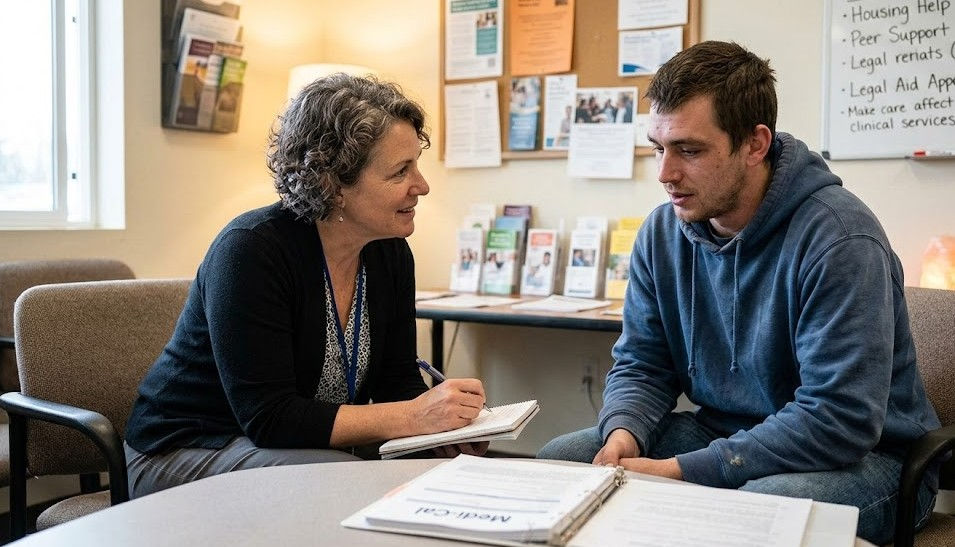
What is the Help is Hope Initiative?
The Help is Hope Initiative is a community-based program focused on supporting adults facing overlapping crises such as homelessness, mental health challenges, substance use disorders, unemployment, and lack of healthcare access. It’s not about charity or judgment—it’s about partnership, dignity, and transformation.
This initiative recognizes that you are the expert in your own life. It respects your lived experience and meets you where you are, offering peer support rooted in authentic relationships. The goal is to break down systemic barriers and provide a pathway to stability and self-sufficiency.
Here’s what makes this initiative different:
No eligibility barriers: You don’t have to fit into a box to get help.
Peer support model: People who have lived through similar struggles walk alongside you.
Technology meets humanity: Innovative tools connect you to resources without losing the human touch.
Holistic services: From housing and employment to mental health and legal aid, everything is connected.
Community partnerships: Local agencies and tech companies work together to expand access.
If you’re feeling stuck or rejected by traditional systems, this initiative is designed for you.
How Does Hope Help People?
Hope is not just a feeling—it’s a powerful force that can change the course of your life. When you have hope, you believe that change is possible, even when the odds seem stacked against you. This belief fuels motivation, resilience, and the courage to take the next step.
Here’s how hope helps:
Reduces isolation: Knowing others have faced similar struggles and succeeded can make you feel less alone.
Builds resilience: Hope helps you bounce back from setbacks and keep moving forward.
Encourages action: When you believe in a better future, you’re more likely to seek help and try new strategies.
Improves mental health: Hope can reduce symptoms of depression and anxiety by shifting your focus toward positive possibilities.
Strengthens peer connections: Sharing hope with others creates a supportive community that uplifts everyone.
The Help is Hope Initiative centers hope as a lifeline, not just inspiration. It’s about creating real, lasting change through connection and support.

Real Barriers You Face—and How to Overcome Them
You know the challenges all too well. Maybe you’re struggling with unstable housing, battling mental health issues, or trying to find a job after incarceration. These barriers are real, and they can feel overwhelming. But you don’t have to face them alone.
Here are some common barriers and concrete next steps you can take:
Housing Instability
Barrier: Lack of affordable housing or fear of losing your current place.
Next Step: Connect with local housing programs through the initiative that offer emergency shelter, rental assistance, and long-term housing solutions.
Mental Health Challenges
Barrier: Difficulty accessing care due to cost, stigma, or lack of providers.
Next Step: Use peer support to find mental health resources that accept your insurance or offer sliding scale fees. The initiative helps navigate these systems.
Substance Use Disorders
Barrier: Fear of judgment or relapse, limited access to recovery programs.
Next Step: Engage with harm reduction services and peer-led recovery groups that meet you where you are, without judgment.
Employment and Legal Issues
Barrier: Criminal records, lack of skills, or discrimination.
Next Step: Access job training, legal aid, and reentry support programs that advocate for your rights and help you build a stable future.
Food Insecurity and Healthcare Access
Barrier: Limited income and transportation challenges.
Next Step: Tap into food banks, mobile health clinics, and community health workers connected through the initiative.
Every barrier has a pathway forward. The key is to reach out and take that first step with someone who understands.
How Peer Support Changes the Game
You are not just a client or a case number—you are a person with unique experiences and strengths. Peer support is about recognizing that and building on it. When someone who has walked a similar path stands with you, it creates a powerful bond of trust and understanding.
Here’s why peer support works:
Authentic connection: Peers listen without judgment and validate your experience.
Shared knowledge: They offer practical advice based on real-life experience.
Empowerment: Peers encourage you to take control of your own journey.
Consistency: Ongoing relationships provide stability and motivation.
Advocacy: Peers help you navigate complex systems and fight for your rights.
The Help is Hope Initiative prioritizes peer support because it transforms lives through genuine human connection.
Taking the First Step Toward Change
If you’re ready to move forward, here’s how to get started with the Help is Hope Modesto initiative:
Reach out: Call or visit the local center to speak with a peer support specialist.
Share your story: You are the expert in your life—tell them what you need and what you want to achieve.
Set small goals: Together, create manageable steps toward stability and recovery.
Access resources: Get connected to housing, healthcare, employment, and legal services.
Build relationships: Engage in peer support groups and community activities.
Stay committed: Transformation takes time, but you don’t have to do it alone.
Remember, asking for help is not a sign of weakness—it’s a powerful act of hope and courage.
You are not alone. Help is hope. Reach out today and take the first step toward a better tomorrow.
“Nearly 70% of people who engage in peer support report improved mental health and increased confidence in managing their challenges.”
Feeling stuck? You’re not alone. The Help is Hope Initiative offers real support from people who get it. No judgment, just connection and resources to help you rebuild. Take the first step today. Reach out now!
This initiative is more than a program—it’s a community that believes in your strength and your future. Together, we can break down barriers and build a path to lasting change.


Comments