What Harm Reduction Really Means — And How to Get Support That Meets You Where You Are
- Jun 22
- 7 min read

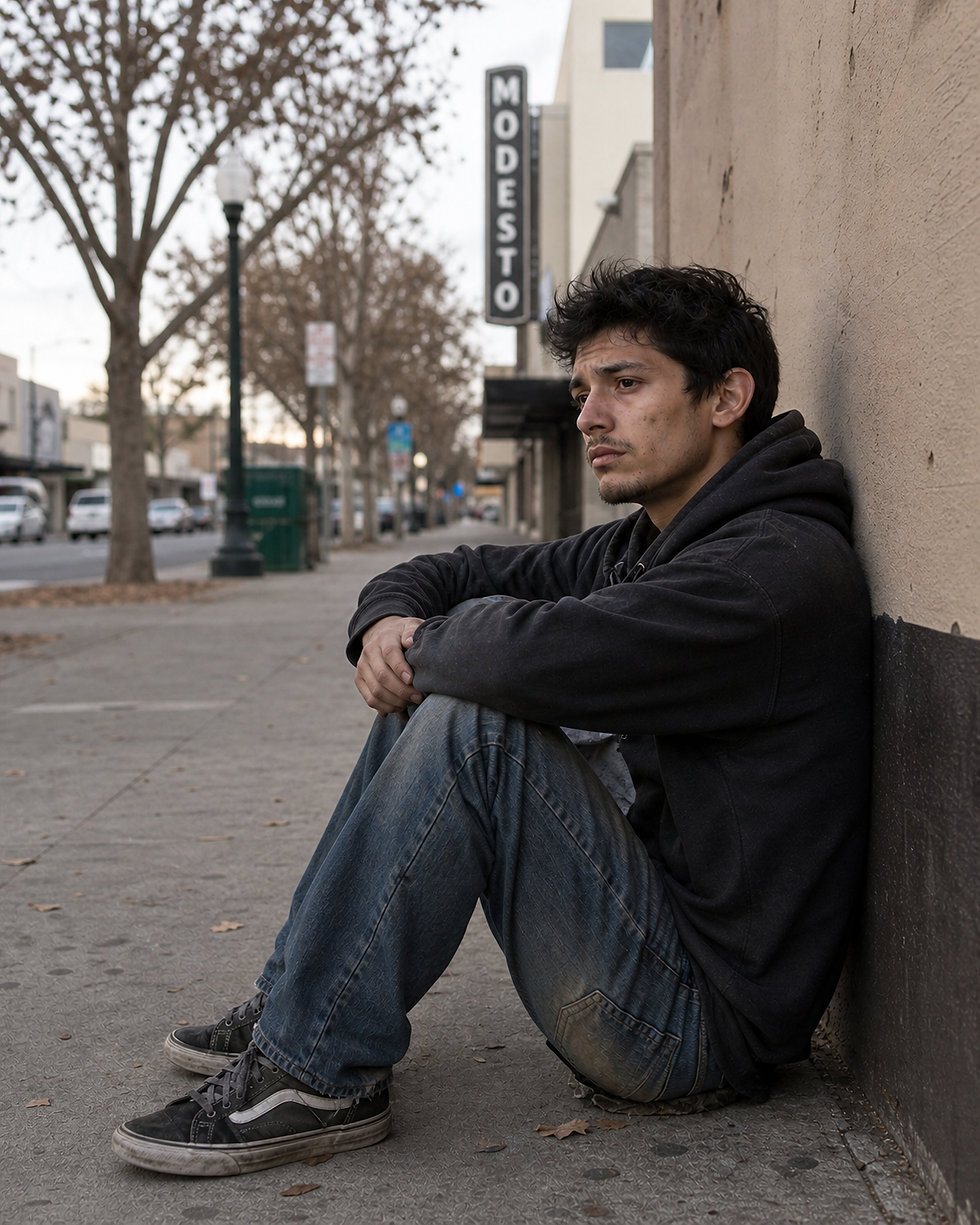
Life in the Central Valley is hard. If you're carrying the weight of substance use, unstable housing, mental health struggles, or a combination of all three — you are not alone. And you do not have to have it all figured out before someone will help you.
Harm reduction programs exist for exactly where you are right now. Not where you'll be someday. Right now.
We offer free, peer-led support for people across Modesto, Stockton, Fresno, and the surrounding valley — and we're here to walk alongside you, not ahead of you. If you're ready to explore what help might look like, start with our free resource check-in — no phone call required, no judgment, just a first step.
What Harm Reduction Actually Means (And What It Doesn't)
Harm reduction is not about giving up on you. It's not about telling you your choices are fine and moving on. It's about keeping you safer, more connected, and more supported right now — so that when you're ready to take the next step, you're still here to take it.
In the Central Valley, where access to care is limited, transportation is a barrier, and distrust of systems runs deep, meeting people where they are isn't just a philosophy. It's a survival strategy.
Harm reduction does not mean:
You have to stop using substances before you can get help
You need to be sober to access housing support
You need perfect paperwork or a permanent address
You have to pretend things are better than they are
Harm reduction does mean:
Reducing the risks that come with substance use — like infections, overdose, and isolation
Connecting you to housing and basic needs support without impossible requirements
Offering support that respects your choices and your pace
Building trust so that when you're ready for more, there's somewhere to go
The core belief driving all of this is simple: you deserve to be safer today, not just someday.
How These Programs Help You Right Now
You might be wondering — what does this actually look like in real life? Here's what effective harm reduction support can offer, broken into the areas where it makes the most difference.
Substance Use Support
If you're using substances — whether it's alcohol, opioids, meth, fentanyl, or anything else — harm reduction support focuses on keeping you safer while you figure out next steps. That might look like:
Overdose prevention — understanding how to recognize an overdose and what to do
Access to Narcan (naloxone) — a medication that can reverse an opioid overdose
Nonjudgmental conversations about your use, your health, and what you want your life to look like
Peer support from someone who has been through substance use themselves and gets what it's actually like
Help navigating recovery options — without pressure, on your timeline
We offer addiction support and recovery services through real people who've walked that road. If you want to talk, book a free peer session.
Housing and Basic Needs
Homelessness and housing instability in Modesto and the broader San Joaquin Valley are a daily reality for tens of thousands of people. Harm reduction in this space means:
Connecting you to emergency shelter without sobriety requirements
Helping you navigate housing applications and paperwork
Finding food, clothing, and hygiene resources quickly
Supporting you after a hospital stay or a release from jail when you have nowhere to go
You don't need a perfect history to get help. You need someone in your corner. Our basic needs support is built around that belief.
If you have Medi-Cal, you may also qualify for free wraparound services — things like housing navigation, transportation to appointments, and care coordination — through a program that most people don't even know exists. Find out what you might qualify for here.
Mental Health and Emotional Safety
Living in survival mode takes a toll. Chronic stress, trauma, grief, anxiety — these aren't character flaws. They're the natural result of hard circumstances. Harm reduction in mental health means:
Peer support that doesn't require a diagnosis to access
Help processing stress, intrusive thoughts, and emotional overwhelm
A space where you can talk without being judged or labeled
Connections to trauma-informed care that actually understands your experience
Our My Mind and My Heart services are designed for exactly this. You do not have to be in a clinical crisis to deserve support.
The Five Pillars of Harm Reduction
Understanding why harm reduction works — not just what it does — can help you trust it. These five core principles guide every effective program:
Accepts that drug use exists in our world. Rather than demanding abstinence as a condition of care, harm reduction starts with reality and works from there.
Focuses on reducing negative consequences. The goal is improving your safety and health — not forcing change before you're ready.
Recognizes your rights. You deserve dignity, access to care, and to be treated as a full human being — regardless of your circumstances.
Centers people with lived experience. Peer support is foundational because no one understands your journey better than someone who has lived it. Our peer support specialists bring that lived experience to every interaction.
Promotes social justice and human rights. Harm reduction is not charity. It's a recognition that stigma, poverty, and systemic barriers — not personal failure — are often what block people from getting well.
These pillars aren't just policy language. They're the reason why harm reduction programs feel different from other systems — and why many people who've been turned away elsewhere find real help here.
Breaking Through the Barriers
If you've tried to get help before and hit a wall — confusing paperwork, judgment, impossible rules — you're not imagining it. The system is genuinely hard to navigate, especially in rural and underserved parts of the Central Valley where services are stretched thin and transportation is a constant obstacle.
Here's how harm reduction meets those barriers:
Barrier | What Harm Reduction Does |
No ID or documentation | Many services don't require it — ask upfront |
Fear of legal trouble | Peer support workers can advocate for your rights |
No transportation | Mobile outreach and telehealth options are available |
Language barriers | Multilingual support can be arranged |
Mental health or cognitive challenges | Flexible, trauma-informed options exist |
Distrust of systems | Start with peer support — someone who's been there |
Don't know where to start |
If you've been told no before — or you stopped trying — we want you to know there may be more available now. A free Life Navigation session can help you map out where you are and what might be possible.

The Power of Peer Support
One of the most important parts of any effective harm reduction approach is peer support — and it's the heart of what we do.
Peer support means being connected with a real person who has lived experience similar to yours. Someone who has used substances, been homeless, navigated the system, dealt with mental health challenges — and made it to the other side. Not a clinician reading from a script. Not a case manager checking boxes. A real person who gets it.
Here's why that matters:
You don't have to explain yourself from scratch. They already understand the landscape.
They know which doors are actually open and which ones will waste your time.
They offer hope that isn't abstract — it's grounded in a real story.
They walk beside you, not ahead of you.
They can accompany you to appointments, help you make calls, and translate complicated systems into plain language.
Peer support is not a last resort. For many people in Modesto and across the valley, it's the first thing that finally worked.
You can connect with a peer support specialist here — it's free, and you can book online.
How to Get Started Today
You don't have to have everything figured out. You just have to take one small step.
Here's how:
Fill out our free Total Resource Check-In at helpishope.org/resources — it takes about 10 minutes, it's on your phone, and it helps us figure out exactly what kind of help you might qualify for. No phone calls, no commitment.
Book a free peer session at helpishope.org/book-online — choose the topic that fits your situation most, and we'll connect you with someone who understands.
You don't have to be in crisis to reach out. You don't have to be ready to change everything. You just have to be willing to take one step.
We'll handle the rest.
Frequently Asked Questions
What is harm reduction in simple terms?
Harm reduction means getting help to stay safer and healthier right now — without being required to change your behavior first. It's support without judgment, designed for people who are still in the middle of hard situations. Instead of asking "are you ready to get sober?" it asks "how can we help keep you safer today?" If you want to learn more or get connected, start here.
Do I have to be sober to get harm reduction support?
No. Harm reduction is specifically designed for people who are still using. You don't have to be sober, in treatment, or planning to quit in order to receive support. The goal is to reduce risk and build trust — not to set conditions on your worthiness.
What if I don't have insurance or an ID?
Many harm reduction services — including ours — do not require ID or insurance to get started. If you have Medi-Cal, you may qualify for significantly more free support than you realize. Fill out our check-in and we'll help you figure out what's available to you.
Is harm reduction the same as giving up on recovery?
Not at all. Harm reduction and recovery are not opposites — they're part of the same continuum. Many people who receive harm reduction support eventually move into recovery when they're ready. The difference is that harm reduction doesn't make recovery a requirement for getting help today.
How is peer support different from therapy or counseling?
Peer support is provided by people with lived experience — not licensed clinicians. It's more personal, more flexible, and often more accessible. A peer support specialist won't diagnose you or hand you a worksheet. They'll sit with you, share what worked for them, help you navigate the system, and be honest with you in a way that feels real. Book a peer session here.
Can harm reduction help with housing?
Yes. Harm reduction in housing means connecting you to shelter, emergency housing, and navigation support without requiring sobriety or perfect documentation. It also means helping you stay housed once you have it — with practical support for things like late notices, lease issues, and benefit applications. See our housing and basic needs support.
Is this available to people in Fresno, Stockton, or other Central Valley areas?
Our services are peer-led and available to adults across California's Central Valley — including Modesto, Stockton, Merced, and Fresno. Many services are available remotely or via telehealth, reducing the transportation barriers that affect so many people in our region. Get started here.